Curio Journal
A curiosity magazine for culture, everyday science, design notes, living history and small discoveries worth a closer look.
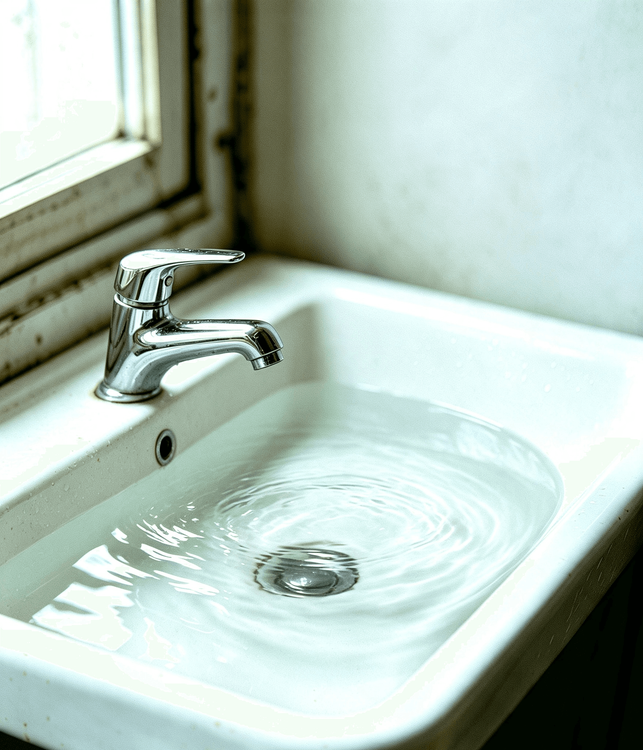
Why Our Fingertips Wrinkle In Water: The Hidden Evolutionary Superpower Built Into Human Skin
I used to write off pruned fingertips as nothing more than soggy, irritated skin after a long shower or dish washing session. Like most people, I bought into the decades-old explanation that water simply soaks into skin and swells outward. I even repeated this myth in casual conversations for years. I was completely wrong.
Read the framework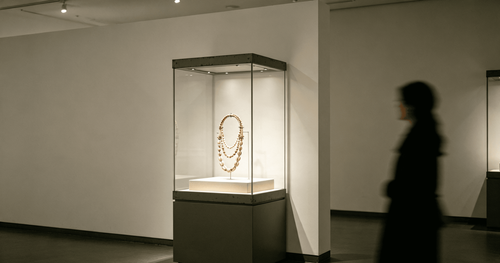
Curio Index
22 stories
Pierced Shell Beads: Our Ancestors Loved Beauty Way Earlier Than We Ever Figured Out
Shell beads dug up across North Africa change everything we know about when humans started thinking abstractly. These pea-sized beads existed tens of thousands of years before the popular German ivory bird carvings, solid proof early humans mastered handcrafting, cross-tribe trading, clan totem culture and abstract logic way sooner than old academic theories claimed. Nomads wore these beads as daily protective charms long before cave paintings appeared, proving ancient people had sophisticated aesthetic tastes and complete social structures all along.

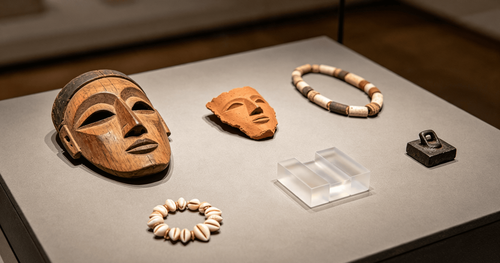
Hidden in Tiny Ivory Sculptures: The Untold Spiritual World of Early Humans 40,000 Years Ago

The Tale of the Gray Wolf: From Extermination to a Wild Return
Ecologists now recognize wolves as a vital pillar of healthy wild ecosystems, animals whose presence alone can rebuild degraded landscapes and stabilize fragile food chains.

Why Fresh Paint Can Make a Room Feel Smaller at First
Fresh paint changes light, smell, contrast, and expectation, which is why a room can feel smaller before it feels finished.

Why Public Benches Change How Streets Are Used
A closer look at how benches shape pauses, walking routes, age-friendly streets, and the everyday social life of public space.

The Small Design Tricks That Make Museum Labels Easier To Read
Museum labels look simple, but spacing, plain language, lighting, and placement decide whether visitors actually read them.

Why Rain Makes City Smells Sharper After A Dry Week
A reader-friendly look at petrichor, pavement, drains, plants, and why the first wet hour can smell stronger than the storm itself.

Why Wet Pavement Looks Brighter at Night
Wet streets can glow under lamps because water changes reflection, contrast, texture, and the way light scatters from rough pavement.

Why Supermarket Layouts Make Quick Trips Feel Longer
An everyday design explainer on store entrances, shelf placement, promotions, checkout zones, and why quick grocery trips often expand.

Why Receipts Became Tiny Records of Everyday Life
Receipts look disposable, but they reveal prices, habits, taxes, technology, warranties, returns, and the small ways commerce became traceable.

Why Public Clocks Changed the Rhythm of City Life
Public clocks did more than tell time. They changed how city residents met, worked, waited, traveled, and understood punctuality before every pocket carried a screen.

Why Older Houses Often Have Tiny Rooms With Big Purposes
Small rooms in old houses can look inefficient today, but many were shaped by heat, privacy, work, storage, and the rhythms of daily life before open-plan living.